

Black Mold Removal in Columbia, TN
Columbia's humid subtropical climate creates persistent moisture conditions through spring, summer, and fall that encourage mold growth indoors, particularly in older homes where crawl spaces lack adequate ventilation. Black mold in these spaces poses indoor air quality concerns and can spread to living areas if left unaddressed. Willis connects Columbia property owners with local mold removal providers who can assess the extent of growth, contain affected areas safely, and remove black mold to restore a healthier home environment.
What gets cleaned in a home, and what comes out
Whether a material is cleaned in place or removed is not decided by how bad the mold looks. It is decided by what the material is made of and how large the affected area is. Below is the EPA’s published guidance on both counts, for a home.
| Material | Under 10 sq ftabout a cabinet door, or one ceiling tile | 10 to 100 sq ftroughly one wall, or a small bathroom | Over 100 sq ftmore than one room's worth of surface |
|---|---|---|---|
| Wallboarddrywall and plasterboardEPA, Table 2 | HEPA vacuum | HEPA vacuumRemove and discard | HEPA vacuumRemove and discard |
| Wood surfacesframing, subfloor and trimEPA, Table 2 | Wet vacuumDamp wipeHEPA vacuum | Wet vacuumDamp wipeHEPA vacuum | Wet vacuumDamp wipeHEPA vacuumRemove and discard |
| Non-porous, hard surfacestile, glass, metal and sealed hard surfacesEPA, Table 2 | Wet vacuumDamp wipeHEPA vacuum | Wet vacuumDamp wipeHEPA vacuum | Wet vacuumDamp wipeHEPA vacuum |
| Carpet and backingcarpet, backing and padEPA, Table 2 | Wet vacuumHEPA vacuum | Wet vacuumHEPA vacuumRemove and discard | Wet vacuumHEPA vacuumRemove and discard |
What those methods mean, in EPA's words
- Wet vacuum
Wet vacuums are vacuum cleaners designed to collect water. They can be used to remove water from floors, carpets and hard surfaces where water has accumulated.
EPA, cleanup methods- Damp wipe
Mold can generally be removed from nonporous (hard) surfaces by wiping or scrubbing with water, or water and detergent.
EPA, cleanup methods- HEPA vacuum
HEPA (High-Efficiency Particulate Air) vacuums are recommended for final cleanup of remediation areas after materials have been thoroughly dried and contaminated materials removed.
EPA, cleanup methods- Remove and discard
Building materials and furnishings that are contaminated with mold growth and are not salvageable should be double-bagged using 6-mil polyethylene sheeting.
EPA, cleanup methods
Removed and replaced, whatever the area
- Fiberglass or other insulation — batt or blown insulation.
Fiber glass, or any other insulation material that is wet or visibly moldy (or if an unacceptable odor is present) should be removed and replaced by a qualified heating and cooling system contractor.
EPA, air duct cleaningEPA states this in its heating-and-cooling guidance and it is quoted here as written. Its water-damage table reaches the same conclusion for both fiberglass and cellulose insulation.
These guidelines are for damage caused by clean water. If you know or suspect that the water source is contaminated with sewage, or chemical or biological pollutants, then Personal Protective Equipment and containment are required by OSHA.
EPA, Table 1Porous materials that are wet and have mold growing on them may have to be discarded.
EPA, cleanup methodsMold can grow on wood, drywall, carpet and furniture if they remain wet for more than 24 hours.
EPA, flood cleanup
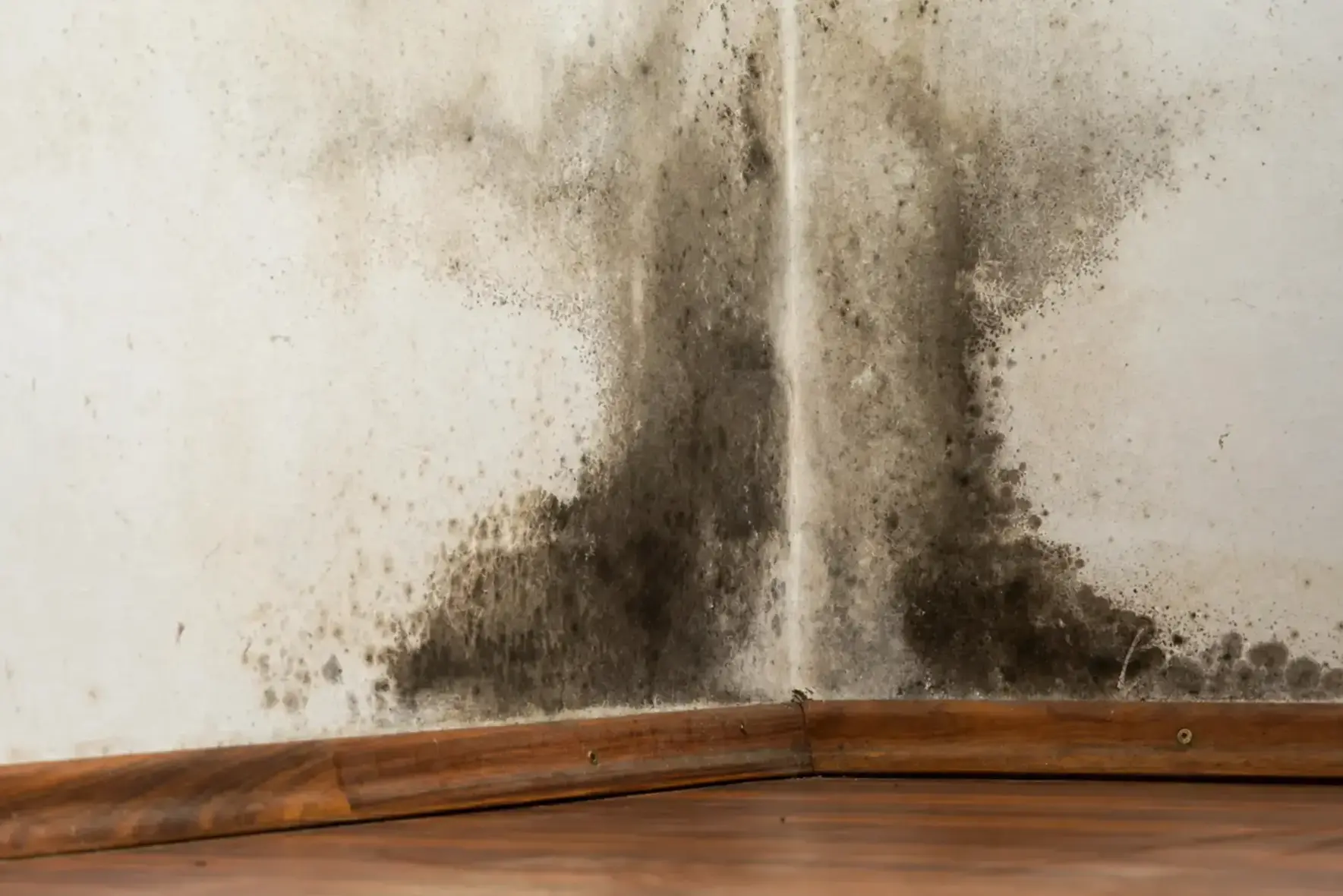
EPA's guidance does not change with the color of the growth. What decides whether something is cleaned or removed is the material and the size of the affected area — the same two axes as any other mold. Treating a dark growth as automatically more serious usually just means paying to remove material the EPA's own table says could have been cleaned.
An inch or more falls on Columbia on roughly 16.7 days a year. It is this handful of days, concentrated in December, that puts water where it was not meant to go.Source: NOAA 1991-2020 Climate Normals, COLUMBIA 3 WNW, TN US station (3.4 mi from Columbia)
Black Mold Removal Services for Columbia Homeowners
Homeowners throughout Columbia face a persistent moisture challenge that creates ideal conditions for black mold growth. The region's humid subtropical climate brings sustained moisture levels through spring, summer, and fall, and many older properties in and around Columbia rely on crawl spaces rather than basements for their foundation design. When crawl spaces lack adequate ventilation, trapped humidity and poor air circulation become breeding grounds for mold—particularly black mold—making removal and moisture control essential steps to protect both the home's structure and indoor air quality.
Willis Mold Remediation connects Columbia property owners with independent local providers who specialize in black mold removal, handling everything from detailed inspection and containment to thorough remediation and moisture prevention. Rather than offering a one-size-fits-all approach, these providers assess each situation carefully, identify the moisture source driving the problem, and work to eliminate black mold safely while addressing the conditions that allowed it to take hold. With local providers responding directly to Columbia residents, you get the rapid assessment and follow-up support that black mold removal demands—ensuring the work is done right and helping you move forward with confidence in your home's health.
Why Columbia Property Owners Choose Willis Mold Remediation
Fast Local Black Mold Removal
Willis connects you with independent local providers ready to respond quickly to black mold removal needs. Rapid access to nearby specialists helps minimize exposure time and prevents further spread throughout your home.
Clear Communication Throughout Removal
Black mold removal requires transparency. Willis providers explain findings, removal steps, and what to expect at each stage so you understand the process from inspection through completion and restoration.
Thorough Black Mold Removal Process
Effective black mold removal demands containment, safe removal of affected materials, and targeted treatment. Willis connects you with independent providers who handle removal comprehensively to address the problem at its source.
Columbia's Moisture Challenge Requires Expert Removal
Middle Tennessee's persistent humidity creates ideal conditions for black mold, especially in older homes where poor ventilation compounds moisture problems. Willis connects Columbia property owners with providers experienced in addressing mold removal in moisture-prone environments.
How Our Black Mold Removal Process Works
Schedule Your Black Mold Removal Visit
Contact Willis Mold Remediation to connect with a local black mold removal provider in Columbia, TN. We'll match you with an independent inspector who can assess your property for black mold growth, particularly in crawl spaces where poor ventilation and persistent moisture create ideal conditions for mold colonization.
Get Your Black Mold Professionally Assessed
The local provider you're connected with will conduct a detailed inspection to identify black mold colonies, moisture sources, and affected areas. They'll explain their findings and outline a black mold removal plan tailored to your property's specific conditions.
Complete Black Mold Removal and Restoration
Your provider will safely remove black mold using containment and remediation techniques, address underlying moisture problems, and restore affected areas. After removal is complete, they'll discuss ongoing moisture management to help reduce the risk of black mold returning to your Columbia home.
Dealing with Black Mold Removal in Columbia? Get fast, professional help.
Call Now — (931) 440-9776Black Mold Removal Across Columbia, TN
Columbia's humid subtropical climate keeps moisture levels elevated throughout spring, summer, and fall, creating conditions where mold can develop and persist long after visible water intrusions dry. Many older homes in the area—including those in neighborhoods like the Downtown Columbia Historic District and Arrow Heights Historic District—feature crawl spaces beneath the structure. When ventilation in these spaces is limited and moisture accumulates, black mold can take hold in ways that may not be immediately visible from living areas above, making professional inspection and removal essential for both air quality and structural integrity.
Whether your property is a historic home or a more recently built residence, the region's persistent humidity means black mold removal in Columbia often requires thorough assessment of both obvious problem areas and hidden moisture sources. Willis Mold Remediation connects Columbia property owners with local independent providers who understand how moisture behaves in the area's homes and can develop removal plans tailored to your building's specific layout and condition.
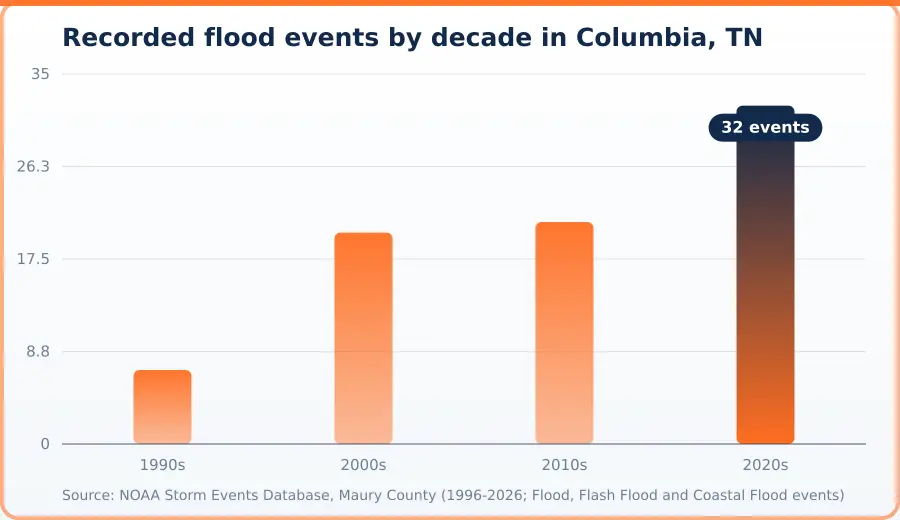
| Period | Recorded flood events by decade (events) |
|---|---|
| 1990s | 7 |
| 2000s | 20 |
| 2010s | 21 |
| 2020s | 32 |
Source: NOAA Storm Events Database, Maury County (1996-2026; Flood, Flash Flood and Coastal Flood events). Retrieved October 5, 2026.
Seasonal Black Mold Removal Needs in Columbia
Spring: Moisture Surge
Spring rainfall and thawing snowmelt elevate indoor humidity across Columbia-area homes, creating ideal conditions for black mold to colonize crawl spaces and hidden wall cavities. Willis Mold Remediation connects property owners with local providers who inspect vulnerable areas early, stopping growth before it spreads through your home's air and structure.
Summer: Heat and Humidity
Summer's sustained warmth and moisture levels accelerate black mold reproduction in poorly ventilated spaces, while condensation on cooler surfaces feeds active growth. Local removal providers accessible through Willis help identify and contain summer mold activity before it establishes year-round colonies in your property.
Fall: Settling and Leaks
As temperatures drop, building materials contract, opening small gaps where rainwater seeps into walls and foundations—prime entry points for black mold. Willis Mold Remediation links you with independent local specialists who address fall moisture intrusion and remediate mold before winter forces it deeper into insulation and structural cavities.
Winter: Condensation Confinement
Winter heating indoors while outdoor air cools creates condensation buildup in crawl spaces and attics with poor airflow, trapping moisture that black mold thrives on. Property owners in and around Columbia benefit from Willis's connection to removal providers who target winter-dormant mold and improve ventilation to prevent spring reactivation.
Black Mold Removal FAQs — Columbia, TN
Black mold removal involves identifying affected areas, containing the mold to prevent spore spread, removing contaminated materials, and cleaning and treating surfaces. The independent providers Willis connects you to assess the extent of growth, determine whether structural materials must be replaced, and use containment and air filtration during the process to protect indoor air quality.
Willis Mold Remediation connects you with local black mold removal providers in Columbia who can often respond quickly to inspection and remediation requests. Contact a provider through Willis to discuss your situation and learn their availability and timeline for addressing your specific black mold concern.
Black mold removal pricing depends on the size and location of the affected area, whether structural materials require replacement, containment and cleanup complexity, and how much of the home or building is involved. Each independent provider sets their own pricing based on your property's specific conditions—get a detailed assessment and estimate before work begins.
Before black mold removal begins, the provider will advise you on preparation steps. Typically, you may need to move personal items from affected areas, ensure access for the removal team, and arrange to vacate during active containment work if recommended. Your provider will explain what to expect and any steps you should take beforehand.
After removal, controlling moisture is key to preventing black mold recurrence. Monitor humidity levels, ensure proper ventilation, fix water leaks promptly, and address any areas prone to dampness. The providers Willis connects you to can offer guidance on moisture management and maintenance to help protect against future mold growth.
Middle Tennessee's humid subtropical climate means high moisture persists through spring, summer, and fall, creating conditions where black mold thrives indoors. Homes with crawl spaces and limited ventilation face particular risk during these months. Addressing black mold removal promptly in Columbia helps protect indoor air quality and prevent the problem from spreading as humidity remains elevated.
Related Services
Homeowner Safety Toolkit
Verify Your Columbia, TN Mold Remediation Company
Before you hire anyone, use these independent national resources to confirm credentials, standards, and track record.
BBB
Look up any mold remediation company's complaint history, customer reviews, and accreditation status — a free, independent check before you hire.
Check StandingIICRC
Publishes the S520 standard for professional mold remediation. Confirm a company's technicians hold real, current IICRC certification before you hire them.
Verify CertificationCDC
Covers the health effects of mold exposure and safe cleanup practices, separate from the remediation work itself — useful if anyone in the home has respiratory symptoms.
Mold Health GuideDealing with Black Mold Removal in Columbia, TN? Call (931) 440-9776 for 24/7 help.
Call Now — (931) 440-9776Areas We Serve in Columbia, Tennessee
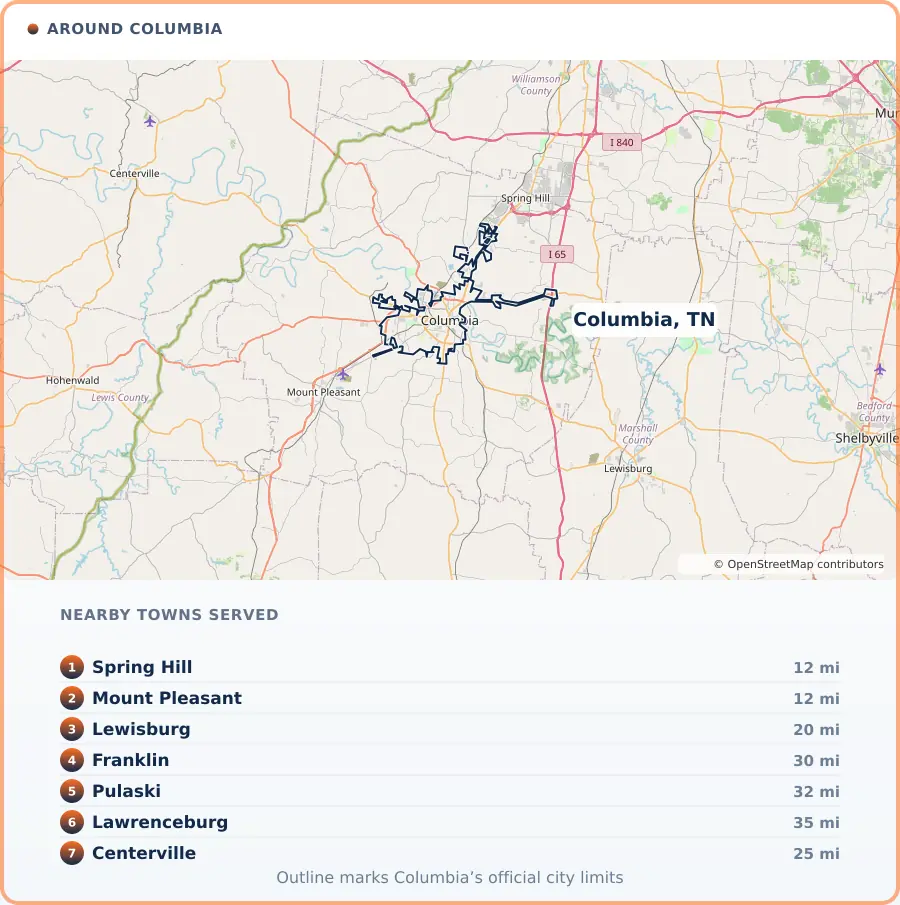
Based in Columbia, TN, with 7 nearby communities inside the service area — near enough to reach quickly, not just listed on a map.
Columbia, TN Information
Columbia serves as the seat of Maury County, a role it carries with an easy blend of small-town warmth and steady growth. Its economy draws strength from automotive manufacturing, healthcare, and agriculture, with the nearby General Motors Spring Hill plant pulling suppliers and logistics operations into the region. Maury Regional Medical Center and Columbia State Community College anchor local employment, while the historic charm of downtown Columbia and neighborhoods like the Arrow Heights Historic District show a city proud of its roots.
With around 41,690 residents, Columbia has become something of a bedroom community for the expanding Nashville metro, pairing small-town character with the conveniences of a growing region. New subdivisions continue to rise alongside long-established streets, giving the city a comfortable mix of heritage and momentum.
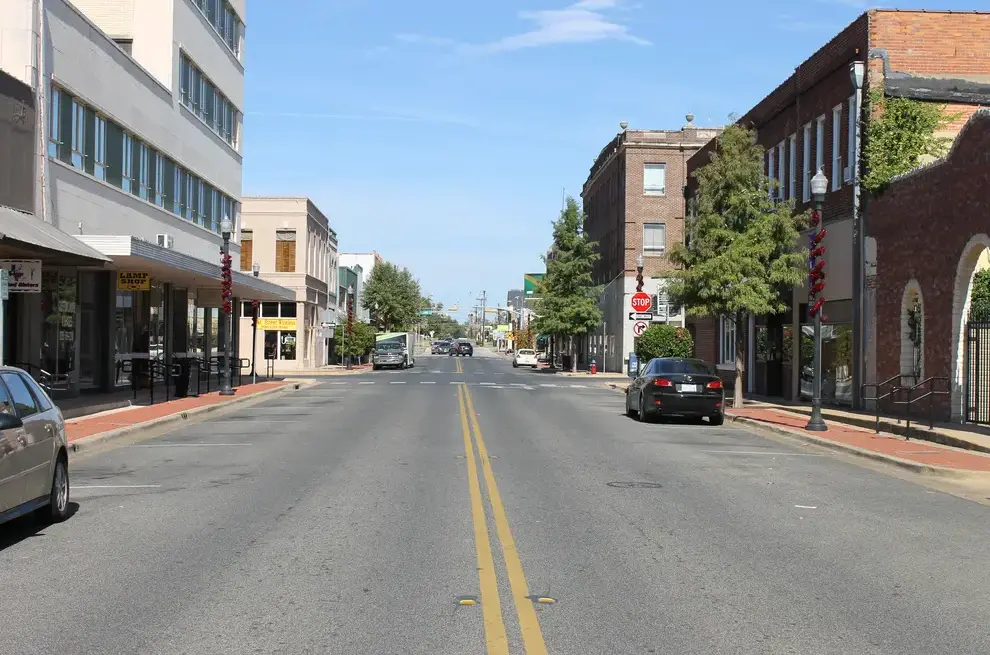
Photo: Billy Hathorn, CC BY-SA 3.0