

Kitchen Mold Removal in Columbia, TN
Columbia's humid subtropical climate sustains moisture levels throughout spring, summer, and fall that encourage mold growth in kitchens and other indoor spaces, particularly in older homes where ventilation around cooking areas may be limited. Kitchen mold removal addresses both visible growth and the moisture sources that support it, helping protect your indoor air quality and the structural integrity of cabinets, walls, and surfaces. Willis Mold Remediation connects Columbia property owners with local independent providers who assess kitchen moisture problems and perform targeted removal tailored to your home's specific conditions.
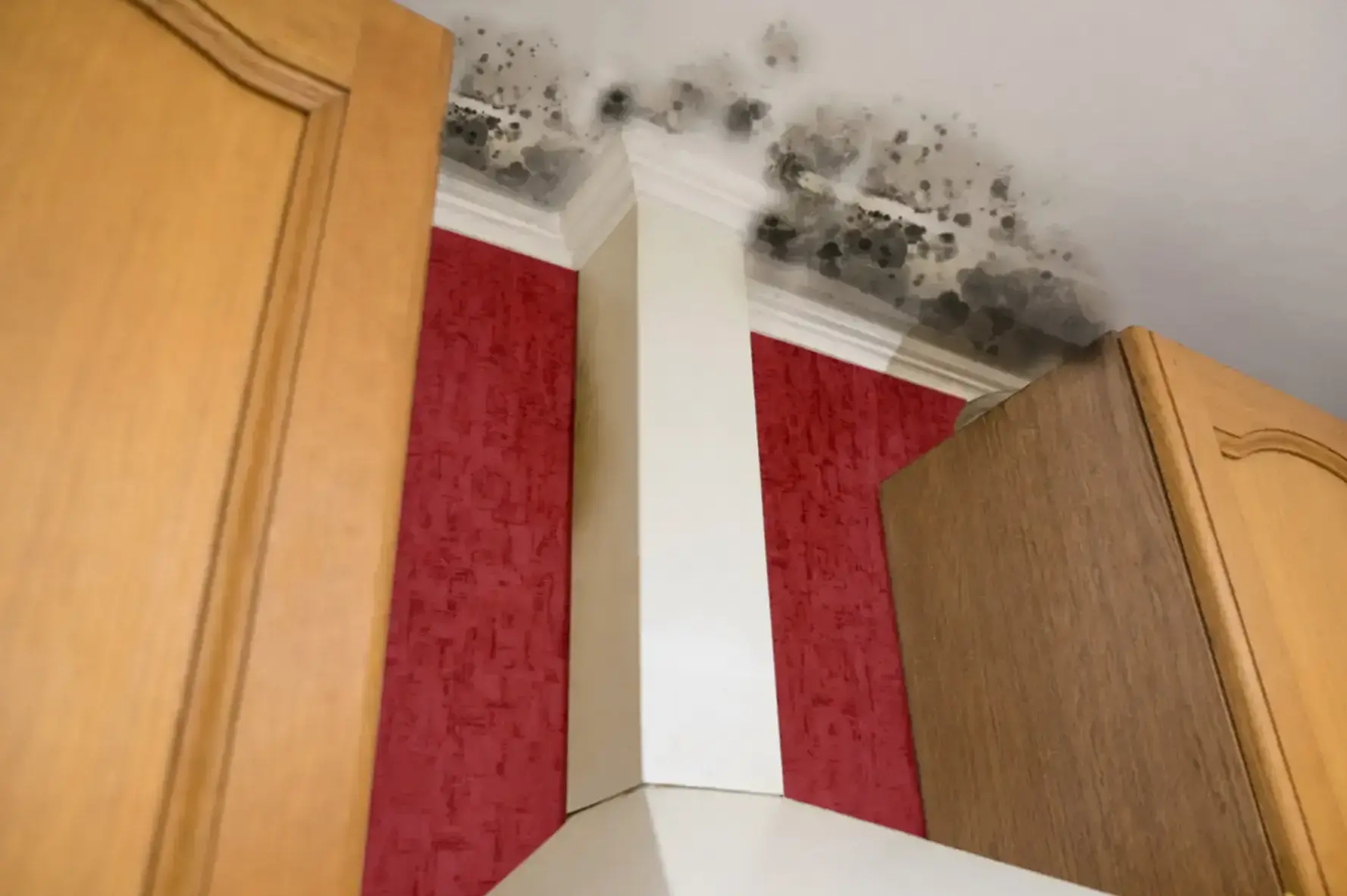
What gets cleaned in a kitchen, and what comes out
Whether a material is cleaned in place or removed is not decided by how bad the mold looks. It is decided by what the material is made of and how large the affected area is. Below is the EPA’s published guidance on both counts, for a kitchen.
| Material | Under 10 sq ftabout a cabinet door, or one ceiling tile | 10 to 100 sq ftroughly one wall, or a small bathroom | Over 100 sq ftmore than one room's worth of surface |
|---|---|---|---|
| Non-porous, hard surfacestile, stone or laminate counters, splashbacks and sinksEPA, Table 2 | Wet vacuumDamp wipeHEPA vacuum | Wet vacuumDamp wipeHEPA vacuum | Wet vacuumDamp wipeHEPA vacuum |
| Wood surfacescabinet boxes, toe kicks and shelvingEPA, Table 2 | Wet vacuumDamp wipeHEPA vacuum | Wet vacuumDamp wipeHEPA vacuum | Wet vacuumDamp wipeHEPA vacuumRemove and discard |
| Wallboardthe wall behind cabinets, the sink and the dishwasherEPA, Table 2 | HEPA vacuum | HEPA vacuumRemove and discard | HEPA vacuumRemove and discard |
| Hard surface, porous flooringvinyl or tile flooring and the subfloor beneath itEPA, Table 2 | Wet vacuumDamp wipeHEPA vacuum | Wet vacuumDamp wipeHEPA vacuum | Wet vacuumDamp wipeHEPA vacuumRemove and discard |
What those methods mean, in EPA's words
- Wet vacuum
Wet vacuums are vacuum cleaners designed to collect water. They can be used to remove water from floors, carpets and hard surfaces where water has accumulated.
EPA, cleanup methods- Damp wipe
Mold can generally be removed from nonporous (hard) surfaces by wiping or scrubbing with water, or water and detergent.
EPA, cleanup methods- HEPA vacuum
HEPA (High-Efficiency Particulate Air) vacuums are recommended for final cleanup of remediation areas after materials have been thoroughly dried and contaminated materials removed.
EPA, cleanup methods- Remove and discard
Building materials and furnishings that are contaminated with mold growth and are not salvageable should be double-bagged using 6-mil polyethylene sheeting.
EPA, cleanup methods
These guidelines are for damage caused by clean water. If you know or suspect that the water source is contaminated with sewage, or chemical or biological pollutants, then Personal Protective Equipment and containment are required by OSHA.
EPA, Table 1Porous materials that are wet and have mold growing on them may have to be discarded.
EPA, cleanup methodsMold can grow on wood, drywall, carpet and furniture if they remain wet for more than 24 hours.
EPA, flood cleanup
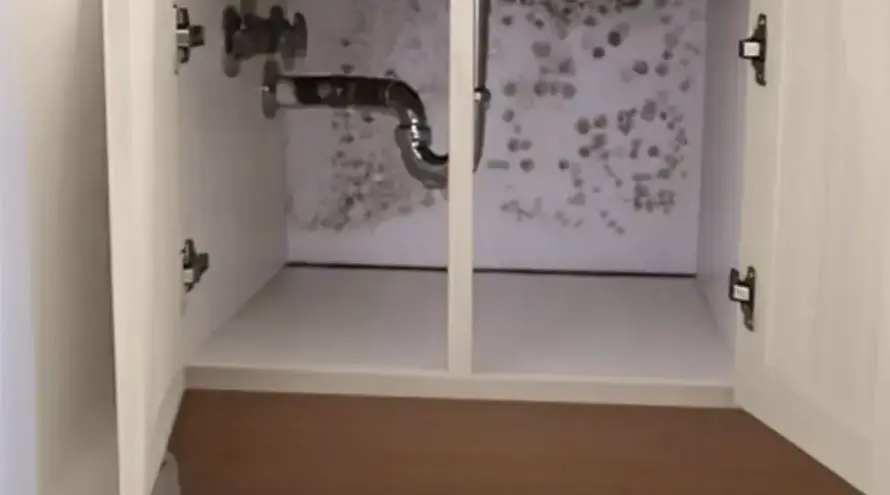
Under-sink and behind-appliance leaks are slow, so the cabinet floor and the wall behind are usually worse than anything visible at the front. Cabinet boxes are the awkward case: the carcase is wood, so EPA's wood guidance applies, but particleboard and MDF behave more like wallboard once they have swollen. Counters, splashbacks and sinks clean up and stay.
In Columbia, 23.9% of homes predate 1960 and 17.7% were built from 2010 onwards.Source: US Census Bureau, American Community Survey 2023 5-year estimates, table B25034 — Columbia city (19,160 housing units)
Kitchen Mold Removal in Columbia, TN Homes
Kitchens in Columbia properties face persistent moisture challenges year-round, particularly as humidity levels remain elevated through spring, summer, and fall. Cooking steam, sink leaks, and inadequate ventilation create the warm, damp conditions where mold thrives. For many older homes throughout the area, moisture originating in crawl spaces—where poor air circulation and standing dampness are common—can migrate upward into living areas, including kitchens. Left unaddressed, kitchen mold compromises both the structural integrity of cabinetry and countertops and the indoor air quality your household depends on.
Willis Mold Remediation connects Columbia property owners with independent local providers who specialize in kitchen mold removal. These professionals begin with a thorough inspection to identify not only visible growth but also its source—whether condensation, plumbing issues, or moisture traveling from foundation areas. Remediation includes safe containment, removal of affected materials, and targeted drying to prevent recurrence. Follow-up guidance on ventilation and moisture control helps you maintain a healthier kitchen environment. If you've noticed discoloration, musty odors, or soft spots in your kitchen, reaching out for a professional assessment is a straightforward step toward resolution.
Why Columbia Property Owners Choose Willis Mold Remediation
Fast Kitchen Mold Removal
Willis connects you with local providers ready to address kitchen mold quickly. Rapid response prevents mold from spreading deeper into walls, cabinetry, and adjacent spaces where removal becomes costlier.
Clear Kitchen Mold Solutions
Independent providers in the Willis network communicate findings and removal steps plainly. You'll understand what's happening, why treatment is necessary, and what to expect as mold is safely removed from your kitchen.
Thorough Kitchen Mold Treatment
Kitchen mold removal through Willis includes complete identification of affected areas—visible surfaces and hidden zones behind appliances or under sinks. Comprehensive treatment stops mold at its source, not just surface appearance.
Mold Control in Humid Seasons
Middle Tennessee's persistent moisture through warmer months creates ideal conditions for kitchen mold growth. Willis-connected providers understand how Columbia-area humidity drives mold in kitchens and deliver removal tailored to your region's seasonal moisture patterns.
How Our Kitchen Mold Removal Process Works
Schedule Your Kitchen Mold Removal Visit
Contact Willis Mold Remediation to describe kitchen mold concerns in your Columbia home. We'll connect you with an independent local provider who can assess the scope and location of kitchen mold growth.
Get a Kitchen Mold Inspection & Removal Plan
A local provider will inspect your kitchen for active mold, moisture sources, and affected materials. Middle Tennessee's persistent humidity, especially through warmer months, creates conditions where kitchen mold takes hold; the provider will identify the source and outline safe kitchen mold removal steps tailored to your home.
Complete Kitchen Mold Removal & Verify Results
The independent provider removes affected materials, treats the kitchen area, and addresses moisture control to help prevent recurrence. Once kitchen mold removal is complete, you'll receive guidance on maintaining proper ventilation and monitoring to keep your kitchen environment healthy.
Dealing with Kitchen Mold Removal in Columbia? Get fast, professional help.
Call Now — (931) 440-9776Kitchen Mold Removal Across Columbia
Columbia's climate creates persistent moisture challenges year-round, particularly during spring, summer, and fall when humidity levels remain elevated well beyond typical rainfall events. This sustained moisture environment makes kitchens especially vulnerable to mold growth, since cooking, dishwashing, and steam from appliances add to the ambient humidity. Older homes throughout Columbia—including those in neighborhoods like Downtown Columbia Historic District and Arrow Heights Historic District—often feature crawl spaces with limited air circulation, a condition that allows moisture to accumulate beneath the home and eventually migrate upward into living spaces, including kitchens. When combined with aging plumbing, inadequate ventilation over sinks and stoves, or roof leaks, these structural conditions create an ideal setting for mold to develop.
Kitchen mold removal in Columbia requires attention to both visible growth and the moisture sources driving it. Whether mold appears around window frames, under sinks, or behind appliances, addressing the underlying humidity and ventilation is essential to preventing recurrence. Local providers connected through Willis Mold Remediation understand how Columbia's moisture patterns and older home construction affect kitchen environments, and they work to safely contain affected areas, remove contaminated materials, and help restore indoor air quality so your kitchen is safe for food preparation and daily use.
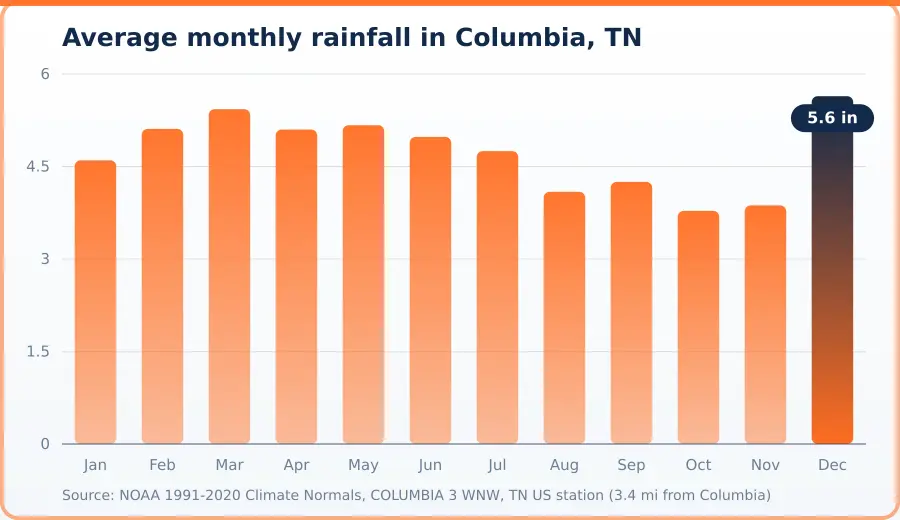
| Period | Monthly rainfall (in) |
|---|---|
| Jan | 4.6 |
| Feb | 5.1 |
| Mar | 5.4 |
| Apr | 5.1 |
| May | 5.2 |
| Jun | 5 |
| Jul | 4.8 |
| Aug | 4.1 |
| Sep | 4.3 |
| Oct | 3.8 |
| Nov | 3.9 |
| Dec | 5.6 |
Source: NOAA 1991-2020 Climate Normals, COLUMBIA 3 WNW, TN US station (3.4 mi from Columbia). Retrieved October 5, 2026.
Kitchen Mold Removal Through Columbia's Four Seasons
Spring: Rising Moisture
Spring rainfall and warming temperatures increase indoor humidity, creating ideal conditions for kitchen mold to take hold around sinks, under cabinets, and near windows. Willis Mold Remediation connects Columbia property owners with local providers who identify and remove active mold growth before it spreads deeper into cabinetry and walls.
Summer: Persistent Humidity
Summer's sustained high humidity in Middle Tennessee keeps kitchens damp throughout the season, especially in homes with older crawl spaces where poor ventilation allows moisture to rise into living spaces. Local providers accessed through Willis help remove kitchen mold and address the moisture pathways feeding it, preventing return growth during these persistently humid months.
Fall: Seasonal Transitions
As fall brings temperature swings and increased indoor heating, kitchens experience condensation buildup on cold surfaces and moisture trapping in poorly sealed areas. Willis Mold Remediation connects you with local specialists who remove fall-season kitchen mold and assess ventilation issues that temperature changes expose.
Winter: Cold-Weather Condensation
Winter heating and exterior cold create condensation on kitchen windows, counters, and appliances, while reduced air circulation allows moisture to linger. Willis helps property owners reach local providers equipped to remove winter kitchen mold and recommend ventilation improvements to prevent moisture accumulation when outdoor air exchange is limited.
Kitchen Mold Removal FAQs — Columbia, TN
Kitchen mold removal starts with identifying affected areas—often cabinets, under sinks, walls, or around windows where moisture collects. The independent provider will contain the area, remove contaminated materials safely, treat surfaces, and restore or replace damaged components. The goal is complete removal while protecting your indoor air quality and preventing cross-contamination to other parts of your home.
Willis Mold Remediation works to connect you with local kitchen mold removal providers in Columbia as promptly as possible. Once you reach out, we match you with independent providers serving your area who can assess your kitchen and discuss timing for inspection and remediation work. Response speed depends on local provider availability, but we prioritize getting you connected fast.
Kitchen mold removal pricing depends on the size and location of affected areas, how much material requires removal or replacement, whether structural damage exists, and the extent of contamination. A provider will inspect your kitchen to assess these factors before giving you a quote. Costs vary by project, so getting a site assessment from a local provider gives you accurate pricing for your specific situation.
Before kitchen mold removal begins, the provider will advise you on preparation steps. You may need to clear cabinets, move appliances, or restrict access to the area during work. Keep children and pets away from the work zone during remediation. The provider will explain containment procedures and safety precautions so your kitchen is ready for safe, effective mold removal.
After kitchen mold removal, reduce moisture by fixing leaks promptly, running your exhaust fan during and after cooking, and wiping down wet surfaces regularly. Ensure your kitchen has adequate air circulation and monitor under-sink areas for standing water. The provider can recommend ventilation improvements or moisture barriers specific to your kitchen layout to help prevent future mold growth.
Columbia's persistent high humidity through spring, summer, and fall creates extended moisture exposure in kitchens—especially in homes with older construction or limited ventilation. Extended moisture combined with typical kitchen activities like cooking and dishwashing accelerates mold growth. Year-round attention to kitchen drying and airflow helps manage this seasonal humidity risk, and early removal prevents larger problems.
Related Services
Homeowner Safety Toolkit
Verify Your Columbia, TN Mold Remediation Company
Before you hire anyone, use these independent national resources to confirm credentials, standards, and track record.
BBB
Look up any mold remediation company's complaint history, customer reviews, and accreditation status — a free, independent check before you hire.
Check StandingIICRC
Publishes the S520 standard for professional mold remediation. Confirm a company's technicians hold real, current IICRC certification before you hire them.
Verify CertificationCDC
Covers the health effects of mold exposure and safe cleanup practices, separate from the remediation work itself — useful if anyone in the home has respiratory symptoms.
Mold Health GuideDealing with Kitchen Mold Removal in Columbia, TN? Call (931) 440-9776 for 24/7 help.
Call Now — (931) 440-9776Areas We Serve in Columbia, Tennessee
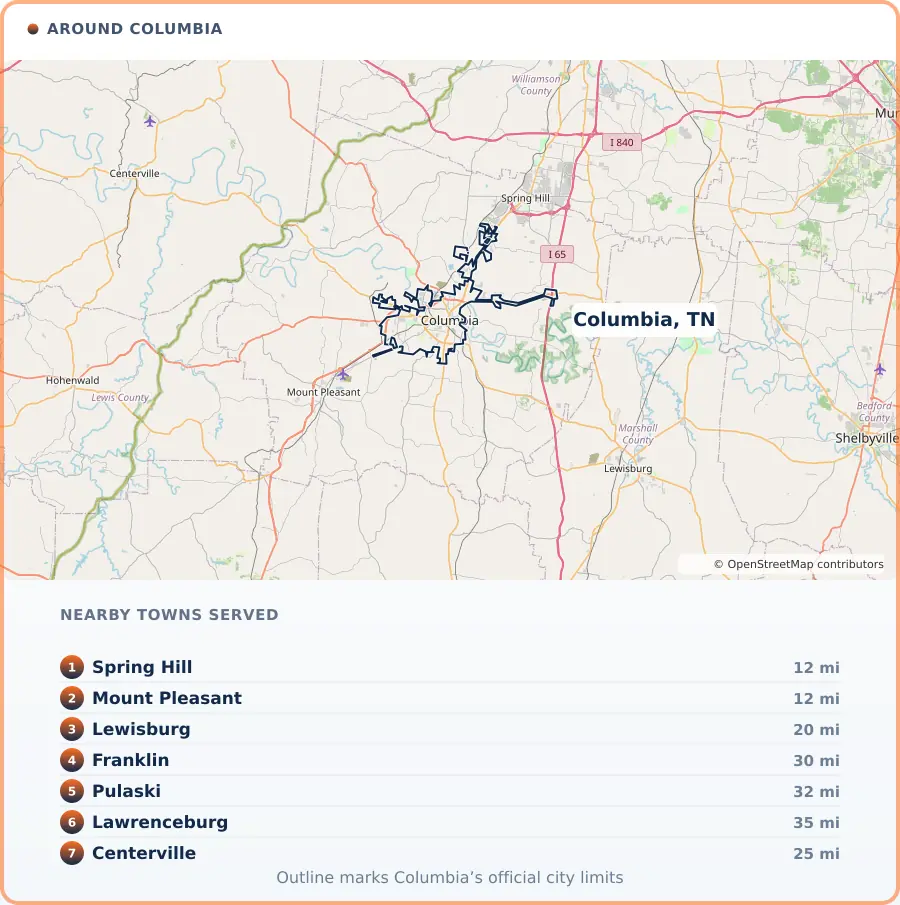
Based in Columbia, TN, with 7 nearby communities inside the service area — near enough to reach quickly, not just listed on a map.
Columbia, TN Information
Columbia serves as the seat of Maury County, a role it carries with an easy blend of small-town warmth and steady growth. Its economy draws strength from automotive manufacturing, healthcare, and agriculture, with the nearby General Motors Spring Hill plant pulling suppliers and logistics operations into the region. Maury Regional Medical Center and Columbia State Community College anchor local employment, while the historic charm of downtown Columbia and neighborhoods like the Arrow Heights Historic District show a city proud of its roots.
With around 41,690 residents, Columbia has become something of a bedroom community for the expanding Nashville metro, pairing small-town character with the conveniences of a growing region. New subdivisions continue to rise alongside long-established streets, giving the city a comfortable mix of heritage and momentum.
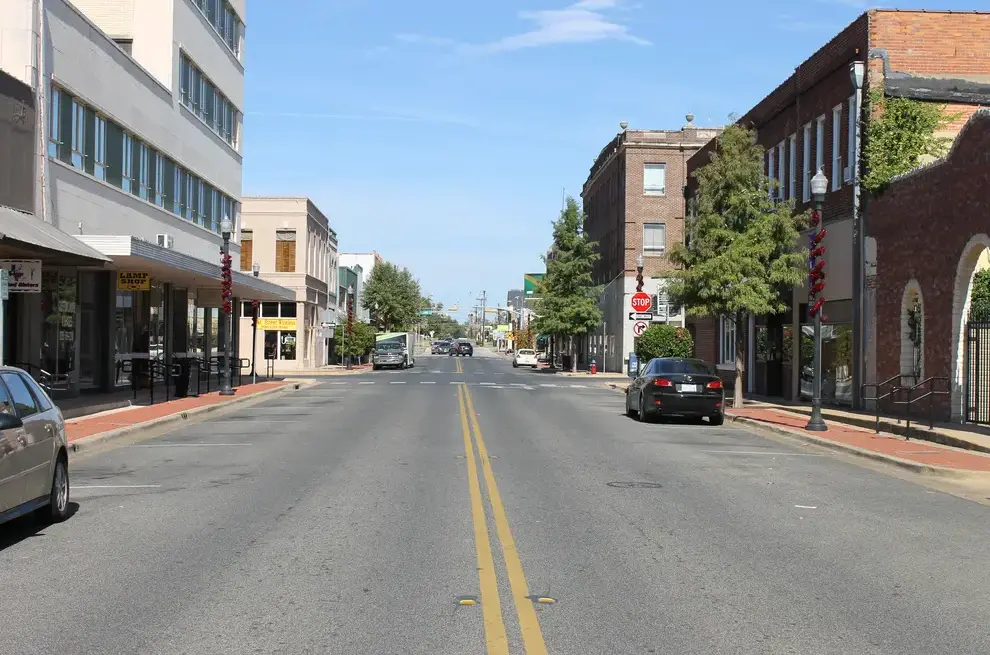
Photo: Billy Hathorn, CC BY-SA 3.0