

HVAC Mold Removal in Columbia, TN
Columbia's persistent humidity across spring, summer, and fall creates conditions where moisture accumulates in home HVAC systems and ductwork, particularly in older properties where ventilation and moisture control are limited. HVAC mold removal addresses contamination at its source—within the system that circulates air throughout your home—stopping spores from spreading through living spaces and affecting indoor air quality. Willis Mold Remediation connects Columbia property owners with local independent providers who can inspect your system, contain affected areas safely, and restore your HVAC to functioning condition.
HVAC Mold Removal for Columbia Homes
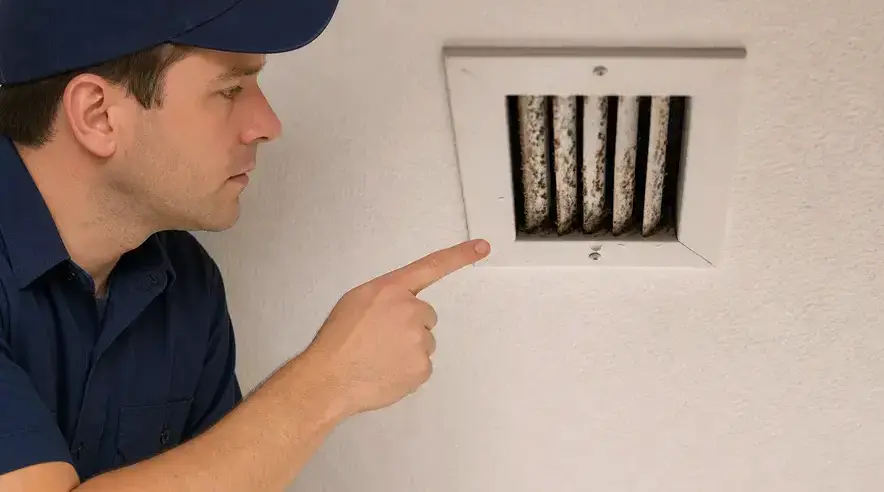
Columbia's humid subtropical climate creates conditions where moisture can accumulate in home systems year-round, particularly in the spring, summer, and fall when humidity levels remain elevated. Older homes throughout the area—many featuring crawl spaces with limited ventilation—are especially vulnerable to mold development in ductwork and HVAC components. When moisture builds up inside air handlers, ducts, or other cooling and heating passages, mold can spread through your home's air circulation, affecting indoor air quality and the health of occupants. Addressing mold in your HVAC system promptly is essential to prevent it from becoming a recurring problem.
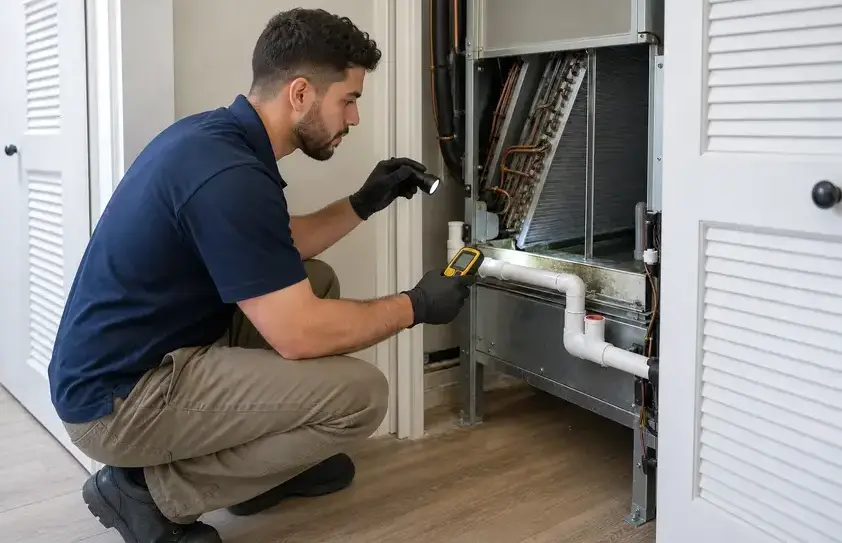
Willis Mold Remediation connects Columbia property owners with independent local providers who specialize in thorough HVAC mold removal. These professionals assess your entire system—from supply and return ducts to coils and air handlers—to identify where mold is growing and determine the source of excess moisture. The removal process includes safe containment, cleaning, and treatment of affected components, followed by steps to control humidity and prevent regrowth. By tackling both the mold itself and the conditions that allowed it to develop, you gain cleaner air and greater peace of mind about your home's climate control system.
Why Columbia Property Owners Choose Willis Mold Remediation
Local HVAC Mold Removal Specialists
Willis connects Columbia property owners with independent local providers experienced in HVAC mold removal. Fast response and knowledge of area homes help ensure thorough treatment of mold in ductwork and system components.
Clear Communication Throughout Removal
HVAC mold removal requires detailed explanation of system contamination and treatment steps. Willis-connected providers keep you informed about findings, removal methods, and next steps so you understand the work being done.
Thorough HVAC Mold Removal Process
HVAC mold removal isn't a quick fix. Willis connects you with providers who address contaminated ducts, coils, and airflow pathways carefully, helping restore system function and indoor air quality throughout your home.
Built for Middle Tennessee Moisture
Columbia's humid subtropical climate means moisture persists through much of the year, making HVAC systems vulnerable to mold growth. Willis connects property owners with providers who understand how persistent indoor humidity drives contamination in older homes throughout the area.
How Our HVAC Mold Removal Process Works
Schedule Your HVAC Mold Removal Assessment
Contact Willis Mold Remediation to connect with a local HVAC mold removal provider in Columbia. A technician will schedule a time to inspect your air handling system, ductwork, and connected spaces for mold growth and moisture sources.
Get Your HVAC System Evaluated and Diagnosed
The provider will examine your HVAC equipment, vents, and ductwork to identify mold colonies and trace moisture entry points. In Middle Tennessee's humid climate, persistent moisture throughout spring, summer, and fall can create ideal conditions for mold growth within HVAC systems, particularly in homes with older crawl spaces and limited ventilation.
Complete Your HVAC Mold Removal and Restoration
Once mold is confirmed, the local provider will contain the affected areas, remove contaminated materials or sections of ductwork, and apply appropriate remediation methods to restore safe indoor air quality. Follow-up recommendations may include ventilation improvements to reduce moisture recurrence.
Dealing with HVAC Mold Removal in Columbia? Get fast, professional help.
Call Now — (931) 440-9776HVAC Mold Removal Across Columbia
Columbia's Middle Tennessee location means persistent humidity through spring, summer, and fall creates ideal conditions for mold growth—particularly within HVAC systems, where moisture accumulates in ductwork, coils, and drain lines. Many older properties throughout the area, including historic neighborhoods like the Downtown Columbia Historic District and Arrow Heights Historic District, feature aging construction with limited ventilation. These homes are especially prone to moisture buildup in crawl spaces, which can allow mold spores to be drawn into air handling systems and circulated throughout living areas. When moisture reaches your HVAC components, removal becomes urgent to restore indoor air quality and prevent the system from spreading contamination.
Newer subdivisions and well-maintained homes across Columbia face similar challenges during high-humidity seasons, since standard HVAC systems must work harder to manage moisture-laden air. Dust, condensation, and organic debris in ducts create an environment where mold thrives if air circulation or drainage is compromised. Whether your home sits in an established neighborhood or a newer development, local humidity patterns make professional HVAC mold removal and thorough system inspection essential for protecting your family's health and your system's efficiency. Willis Mold Remediation connects Columbia property owners with local providers who can assess your HVAC system's condition and recommend the right remediation approach.
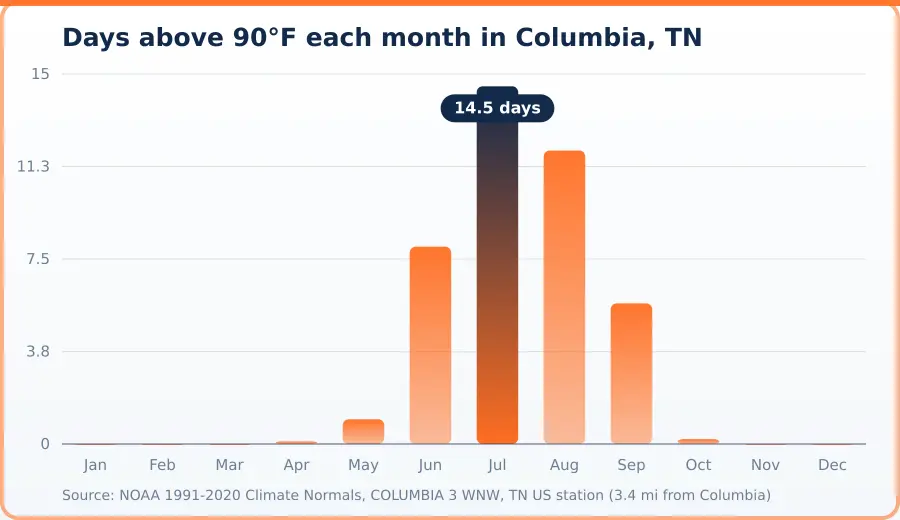
| Period | Days above 90F per month (days) |
|---|---|
| Jan | 0 |
| Feb | 0 |
| Mar | 0 |
| Apr | 0.1 |
| May | 1 |
| Jun | 8 |
| Jul | 14.5 |
| Aug | 11.9 |
| Sep | 5.7 |
| Oct | 0.2 |
| Nov | 0 |
| Dec | 0 |
Source: NOAA 1991-2020 Climate Normals, COLUMBIA 3 WNW, TN US station (3.4 mi from Columbia). Retrieved October 5, 2026.
HVAC Mold Removal Across Columbia's Seasons
Spring: Rising Humidity
As temperatures warm and moisture levels climb across Middle Tennessee, mold spores become more active inside air-handling systems. Spring's persistent humidity can accelerate growth inside ductwork and coils before homeowners notice symptoms. Willis Mold Remediation connects property owners with local providers who inspect HVAC systems early in the season to catch mold before it spreads through indoor air.
Summer: Cooling System Stress
Heavy HVAC use during Columbia's hot months creates condensation buildup inside cooling coils and ducts—ideal conditions for mold colonization. Summer's continuous air-conditioning operation can force mold spores deeper into systems if contamination goes unaddressed. Willis Mold Remediation helps homeowners identify HVAC mold during peak cooling season and connect with local specialists who can safely contain and remove growth from active systems.
Fall: Seasonal Transition
Fluctuating fall temperatures and humidity shifts create thermal cycling inside HVAC equipment, increasing moisture and condensation risk in ductwork and ventilation components. This transitional period often reveals mold growth that accumulated during warmer months as systems run less consistently. Willis Mold Remediation assists property owners in scheduling thorough HVAC inspections before winter heating season begins, preventing contaminated systems from recirculating indoor air throughout the colder months.
Winter: Containment and Remediation
Winter heating can dry indoor air, but poor ventilation combined with moisture from combustion and human activity keeps HVAC systems vulnerable to mold—especially in older homes around Columbia where crawl spaces and ductwork sit in chronically damp conditions. Cold-weather operation may mask visible symptoms until spring inspection reveals established growth. Willis Mold Remediation connects homeowners with local HVAC mold removal providers who address winter-season contamination and improve system ventilation to reduce future risk.
HVAC Mold Removal FAQs — Columbia, TN
HVAC mold removal addresses mold growth inside your heating and cooling system—ducts, coils, air handlers, and vents. The process typically includes inspection to locate mold, containment to prevent spore spread, removal of affected materials or surfaces, cleaning and treatment of system components, and verification that air quality has improved. Willis Mold Remediation connects you with local providers who handle this work safely.
Response times depend on the independent provider you're connected with through Willis Mold Remediation. Many local Columbia providers understand mold is urgent and work to schedule inspections and removal promptly. Contact the provider directly after referral to discuss your timeline and get a concrete appointment estimate for your specific situation.
Pricing for HVAC mold removal depends on the extent of mold growth, system size, contamination location (ducts, coils, or both), and the scope of cleaning required. Each independent provider sets their own rates. Willis Mold Remediation connects you with local Columbia providers who can assess your system and provide a cost estimate during their inspection.
Before the provider arrives, document any visible mold or musty odors you've noticed. Keep your HVAC system running normally so technicians can observe airflow and identify affected areas. Clear access to your air handler, ducts, and vents. During removal, keep doors closed to contained work areas. The independent provider will give you specific pre-service instructions when you confirm your appointment.
Maintain your system by changing air filters regularly and keeping humidity levels moderate throughout your home. Ensure air vents and return ducts are not blocked, which restricts airflow and traps moisture. Have your HVAC system inspected seasonally, especially if you notice musty smells. A local provider can recommend maintenance intervals suited to your home's specific conditions in Columbia.
Middle Tennessee's humid subtropical climate means high moisture persists across spring, summer, and fall—creating ideal conditions for mold growth in HVAC systems year-round. Poor ventilation combined with persistent indoor humidity makes systems especially vulnerable during warm months. If your home shows signs of mold in ducts or air handling components, contact a local provider promptly regardless of season.
Related Services
Homeowner Safety Toolkit
Verify Your Columbia, TN Mold Remediation Company
Before you hire anyone, use these independent national resources to confirm credentials, standards, and track record.
BBB
Look up any mold remediation company's complaint history, customer reviews, and accreditation status — a free, independent check before you hire.
Check StandingIICRC
Publishes the S520 standard for professional mold remediation. Confirm a company's technicians hold real, current IICRC certification before you hire them.
Verify CertificationCDC
Covers the health effects of mold exposure and safe cleanup practices, separate from the remediation work itself — useful if anyone in the home has respiratory symptoms.
Mold Health GuideDealing with HVAC Mold Removal in Columbia, TN? Call (931) 440-9776 for 24/7 help.
Call Now — (931) 440-9776Areas We Serve in Columbia, Tennessee
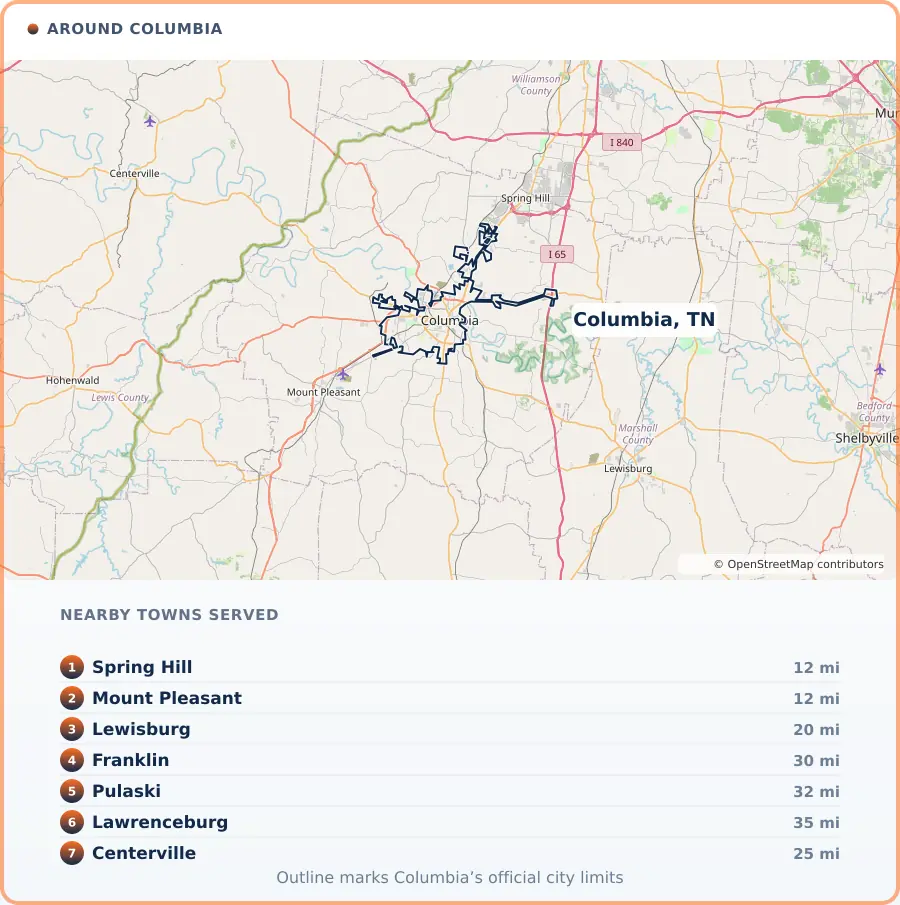
Based in Columbia, TN, with 7 nearby communities inside the service area — near enough to reach quickly, not just listed on a map.
Columbia, TN Information
Columbia serves as the seat of Maury County, a role it carries with an easy blend of small-town warmth and steady growth. Its economy draws strength from automotive manufacturing, healthcare, and agriculture, with the nearby General Motors Spring Hill plant pulling suppliers and logistics operations into the region. Maury Regional Medical Center and Columbia State Community College anchor local employment, while the historic charm of downtown Columbia and neighborhoods like the Arrow Heights Historic District show a city proud of its roots.
With around 41,690 residents, Columbia has become something of a bedroom community for the expanding Nashville metro, pairing small-town character with the conveniences of a growing region. New subdivisions continue to rise alongside long-established streets, giving the city a comfortable mix of heritage and momentum.
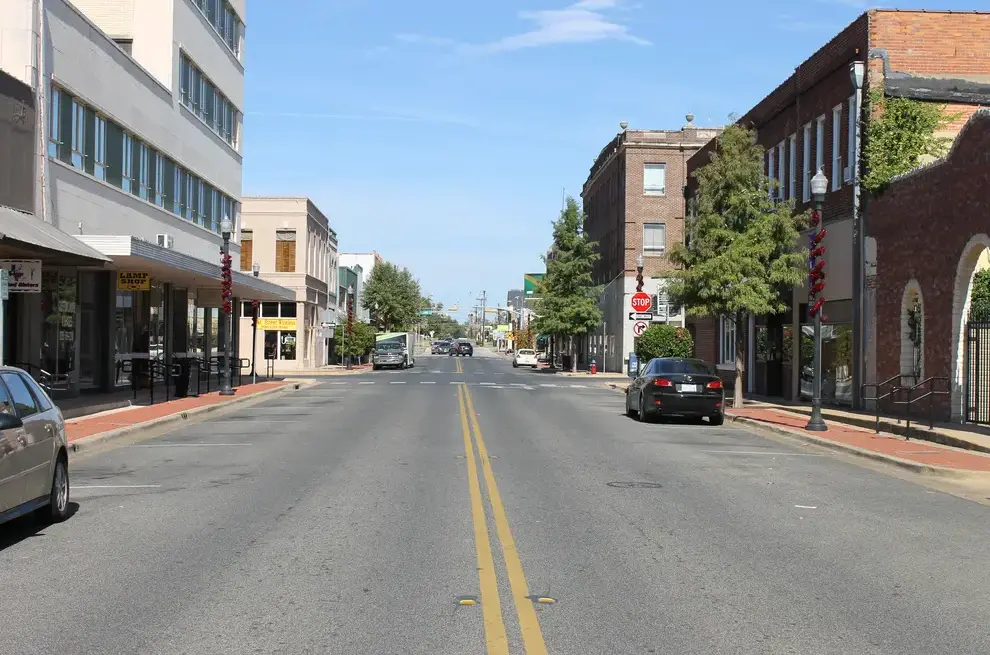
Photo: Billy Hathorn, CC BY-SA 3.0