

Commercial Mold Remediation in Columbia, TN
Columbia's humid subtropical climate creates persistent moisture conditions through spring, summer, and fall that extend well beyond seasonal rainfall, making commercial properties vulnerable to mold growth in spaces where ventilation and drainage are compromised. Commercial Mold Remediation in Columbia, TN addresses this moisture intrusion before it spreads to occupied areas, storage zones, or structural cavities—protecting both the building envelope and indoor air quality. Willis Mold Remediation connects Columbia property owners with independent local providers who assess moisture sources and execute targeted remediation tailored to the specific conditions affecting your commercial space.
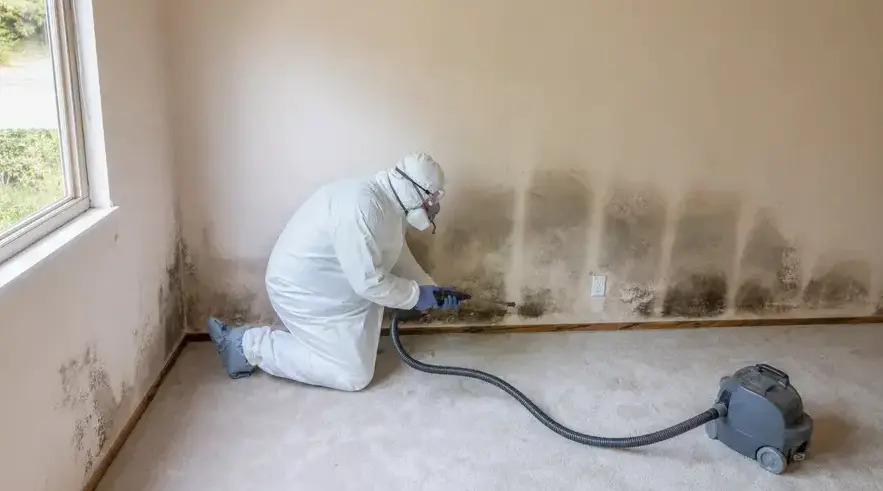
What gets cleaned in a commercial building, and what comes out
Whether a material is cleaned in place or removed is not decided by how bad the mold looks. It is decided by what the material is made of and how large the affected area is. Below is the EPA’s published guidance on both counts, for a commercial building.
| Material | Under 10 sq ftabout a cabinet door, or one ceiling tile | 10 to 100 sq ftroughly one wall, or a small bathroom | Over 100 sq ftmore than one room's worth of surface |
|---|---|---|---|
| Carpet and backingbroadloom or tile carpet and its backingEPA, Table 2 | Wet vacuumHEPA vacuum | Wet vacuumHEPA vacuumRemove and discard | Wet vacuumHEPA vacuumRemove and discard |
| Wallboardpartition walls and demountable panelsEPA, Table 2 | HEPA vacuum | HEPA vacuumRemove and discard | HEPA vacuumRemove and discard |
| Non-porous, hard surfacessealed floors, metal fixtures and glazingEPA, Table 2 | Wet vacuumDamp wipeHEPA vacuum | Wet vacuumDamp wipeHEPA vacuum | Wet vacuumDamp wipeHEPA vacuum |
| Concrete or cinder blockslabs, cores and block wallsEPA, Table 2 | Wet vacuumHEPA vacuum | Wet vacuumHEPA vacuum | Wet vacuumHEPA vacuum |
| Books and papersstored files, stock and cardboardEPA, Table 2 | HEPA vacuum | HEPA vacuum | HEPA vacuum |
What those methods mean, in EPA's words
- Wet vacuum
Wet vacuums are vacuum cleaners designed to collect water. They can be used to remove water from floors, carpets and hard surfaces where water has accumulated.
EPA, cleanup methods- Damp wipe
Mold can generally be removed from nonporous (hard) surfaces by wiping or scrubbing with water, or water and detergent.
EPA, cleanup methods- HEPA vacuum
HEPA (High-Efficiency Particulate Air) vacuums are recommended for final cleanup of remediation areas after materials have been thoroughly dried and contaminated materials removed.
EPA, cleanup methods- Remove and discard
Building materials and furnishings that are contaminated with mold growth and are not salvageable should be double-bagged using 6-mil polyethylene sheeting.
EPA, cleanup methods
Removed and replaced, whatever the area
- Ceiling tiles — drop-ceiling tiles and grid infill.
Discard and replace.
EPA, Table 1This is the action EPA's water-damage table gives for ceiling tiles. It is the one material here with no size threshold to weigh.
These guidelines are for damage caused by clean water. If you know or suspect that the water source is contaminated with sewage, or chemical or biological pollutants, then Personal Protective Equipment and containment are required by OSHA.
EPA, Table 1Porous materials that are wet and have mold growing on them may have to be discarded.
EPA, cleanup methodsMold can grow on wood, drywall, carpet and furniture if they remain wet for more than 24 hours.
EPA, flood cleanup
Commercial interiors add two materials that rarely survive — drop-ceiling tile and tile carpet — and both are usually cheaper to replace than to clean around. Sealed floors, glazing and structural concrete stay. Stock, files and cardboard are judged as paper, which EPA treats as a HEPA-vacuum item at every size rather than a removal.
In Columbia, 23.9% of homes predate 1960 and 17.7% were built from 2010 onwards.Source: US Census Bureau, American Community Survey 2023 5-year estimates, table B25034 — Columbia city (19,160 housing units)
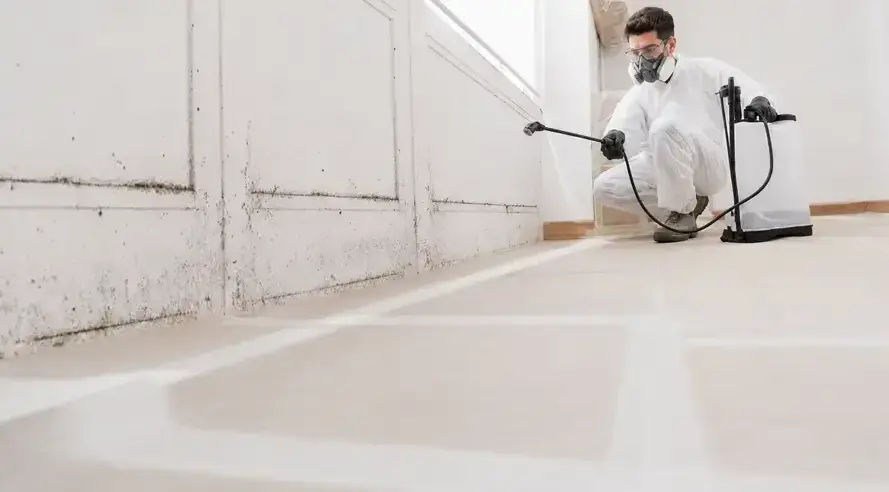
Commercial Mold Remediation Services in Columbia, TN
Columbia's position in Middle Tennessee's humid subtropical climate creates persistent moisture challenges year-round, particularly through the warmer seasons when humidity levels remain elevated. Many commercial properties and older buildings throughout the region feature crawl spaces with limited ventilation—a combination that frequently allows moisture to accumulate beneath structures and foster mold growth over time. When moisture persists in these confined spaces, mold can develop undetected, potentially affecting indoor air quality and the structural integrity of the property. Business owners and commercial property managers in Columbia need prompt, thorough mold remediation to address these hidden moisture problems before they expand or compromise the building's usability.
Willis Mold Remediation connects Columbia property owners with independent local providers who specialize in commercial mold removal and moisture control. The providers in our network take a methodical approach: they locate the source of moisture intrusion, contain affected areas to prevent spore spread, and remove contaminated materials safely. Follow-up monitoring helps ensure that moisture conditions remain controlled once remediation is complete. By linking you directly with experienced local remediation providers, we help you move forward quickly with a solution tailored to your commercial property's specific needs.
Why Columbia Property Owners Choose Willis Mold Remediation
Swift Local Provider Access
Willis connects Columbia property owners directly to independent commercial mold remediation providers nearby. Fast local response means faster containment and removal, reducing downtime for your business operations.
Clear Communication Throughout
Commercial mold remediation requires transparent updates. The providers Willis connects you to keep you informed at every stage—inspection findings, containment strategy, treatment scope, and completion—so you understand exactly what's happening.
Thorough Removal & Prevention
Commercial mold remediation demands complete treatment of affected areas and underlying moisture sources. The independent providers Willis refers handle both removal and ventilation improvements to reduce the chance of recurrence.
Built for Middle Tennessee's Moisture
Columbia's humid subtropical climate means moisture lingers through much of the year, especially in spaces with limited airflow. Commercial mold remediation providers Willis connects to understand how persistent dampness drives growth and address it accordingly.
How Our Commercial Mold Remediation Process Works
Schedule Your Commercial Mold Assessment
Contact Willis Mold Remediation to arrange an inspection of your Columbia property. A local mold remediation provider will assess your building for active mold growth, moisture sources, and areas of concern affecting indoor air quality.
Professional Commercial Mold Inspection & Testing
The provider conducts a detailed inspection to identify mold colonies, moisture intrusion points, and ventilation issues common in commercial spaces. Middle Tennessee's persistent humidity through spring, summer, and fall creates conditions where mold can develop in poorly ventilated areas, and the inspection pinpoints these risk zones.
Commercial Mold Removal & Remediation Plan
Based on inspection findings, the local provider outlines a commercial mold remediation strategy, handles containment and safe removal, and addresses moisture sources to help prevent recurrence. Follow-up guidance ensures your property maintains conditions unfavorable to future mold growth.
Dealing with Commercial Mold Remediation in Columbia? Get fast, professional help.
Call Now — (931) 440-9776Commercial Mold Remediation Across Columbia
Columbia's humid subtropical climate creates persistent moisture conditions that extend well beyond seasonal rainfall, especially through spring, summer, and fall. For commercial property owners, this prolonged humidity poses a meaningful challenge: moisture accumulation in building envelopes, HVAC systems, and enclosed spaces can foster mold growth even when water intrusion isn't obvious. Older commercial buildings throughout Columbia—including those in historic districts like Downtown Columbia and Arrow Heights—often feature construction details and ventilation systems that weren't designed for modern humidity management, making them particularly susceptible to indoor mold colonization in spaces that receive inadequate air circulation.
Commercial Mold Remediation in Columbia requires providers who understand how the region's moisture patterns interact with building age and design. Effective remediation goes beyond surface cleaning; it demands identification of moisture sources, containment during removal, and restoration of affected materials to prevent recurrence. The independent local providers Willis Mold Remediation connects you with know how Columbia's specific environment affects commercial properties and can develop remediation strategies tailored to your building's condition and layout.
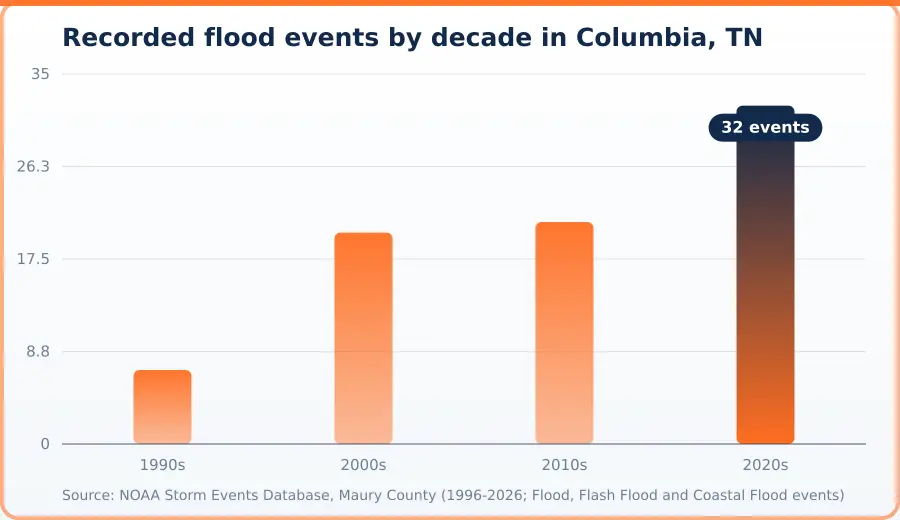
| Period | Recorded flood events by decade (events) |
|---|---|
| 1990s | 7 |
| 2000s | 20 |
| 2010s | 21 |
| 2020s | 32 |
Source: NOAA Storm Events Database, Maury County (1996-2026; Flood, Flash Flood and Coastal Flood events). Retrieved October 5, 2026.
Seasonal Commercial Mold Remediation in Columbia
Spring: Rising Moisture Risk
Spring rains and warming temperatures create ideal conditions for mold growth in commercial spaces throughout Columbia. Buildings with poor ventilation or previous water intrusion become particularly vulnerable as moisture accumulates indoors. Willis Mold Remediation connects property owners with local providers who assess spring moisture patterns and address active growth before it spreads.
Summer: Heat-Driven Activation
Summer heat intensifies humidity levels within commercial structures, accelerating mold colonization in areas with existing moisture—especially crawl spaces common to older Columbia buildings where poor air circulation traps moisture year-round. Remediation providers in the Willis network can inspect these hard-to-access zones and implement containment and removal strategies tailored to summer's accelerated growth patterns.
Fall: Settling and Dormancy Shifts
As temperatures drop in fall, mold growth rates slow, but this season often reveals problems that developed during warmer months. Commercial properties frequently show visible mold damage or indoor air quality concerns only after summer's rapid expansion. Willis Mold Remediation helps property owners connect with local specialists who use fall's cooler conditions for thorough assessment and remediation planning.
Winter: Containment and Planning
Winter's lower humidity and cooler indoor temperatures reduce active mold growth, making it an optimal season for commercial mold remediation work and restoration without the added challenge of seasonal moisture spikes. Local providers accessible through Willis Mold Remediation can focus on thorough removal and structural drying during winter months when conditions are most stable for comprehensive remediation projects.
Commercial Mold Remediation FAQs — Columbia, TN
Commercial mold remediation addresses mold growth in business properties, offices, retail spaces, and other non-residential buildings. The process includes inspection to identify affected areas, containment to prevent spore spread, removal of contaminated materials, cleaning and treatment of surfaces, and restoration. A local provider will assess moisture sources and recommend fixes to reduce recurrence, ensuring your workspace is safe and air quality is restored.
Willis Mold Remediation works with independent local providers in Columbia to connect you quickly. Once you reach out, the network matches you with available professionals in your area who can schedule inspections and begin remediation promptly. Response times vary by provider availability, but the goal is to address commercial mold concerns without unnecessary delay to minimize business disruption.
Pricing for commercial mold remediation depends on the size and severity of the affected area, the type of materials involved, moisture source complexity, and containment or structural work needed. Each local provider sets their own rates based on the scope of your specific situation. During an initial assessment, a provider can outline what remediation will involve and discuss cost details with you directly.
Before remediation starts, the provider will conduct a thorough inspection to document affected areas and identify moisture sources. You may need to relocate staff or operations temporarily, depending on the extent of work and containment requirements. The provider will explain the timeline, access needs, and any preparation steps specific to your property so you can plan accordingly and minimize workplace disruption.
After remediation, focus on moisture control: maintain proper ventilation, fix leaks promptly, keep humidity levels moderate, and ensure drainage around the building directs water away. Regular inspections of problem areas—particularly spaces with poor air circulation—help catch early signs of moisture. Your remediation provider can also recommend ongoing maintenance strategies to protect your commercial property from future mold issues.
Middle Tennessee's climate brings persistent humidity through spring, summer, and fall, creating extended periods when indoor moisture can support mold growth in commercial buildings. Properties with poor ventilation or existing water intrusion face year-round risk, but moisture problems may intensify during wetter seasons. Early attention to any mold signs is important, regardless of season, to prevent spreading and maintain a healthy workplace environment.
Related Services
Homeowner Safety Toolkit
Verify Your Columbia, TN Mold Remediation Company
Before you hire anyone, use these independent national resources to confirm credentials, standards, and track record.
BBB
Look up any mold remediation company's complaint history, customer reviews, and accreditation status — a free, independent check before you hire.
Check StandingIICRC
Publishes the S520 standard for professional mold remediation. Confirm a company's technicians hold real, current IICRC certification before you hire them.
Verify CertificationCDC
Covers the health effects of mold exposure and safe cleanup practices, separate from the remediation work itself — useful if anyone in the home has respiratory symptoms.
Mold Health GuideDealing with Commercial Mold Remediation in Columbia, TN? Call (931) 440-9776 for 24/7 help.
Call Now — (931) 440-9776Areas We Serve in Columbia, Tennessee
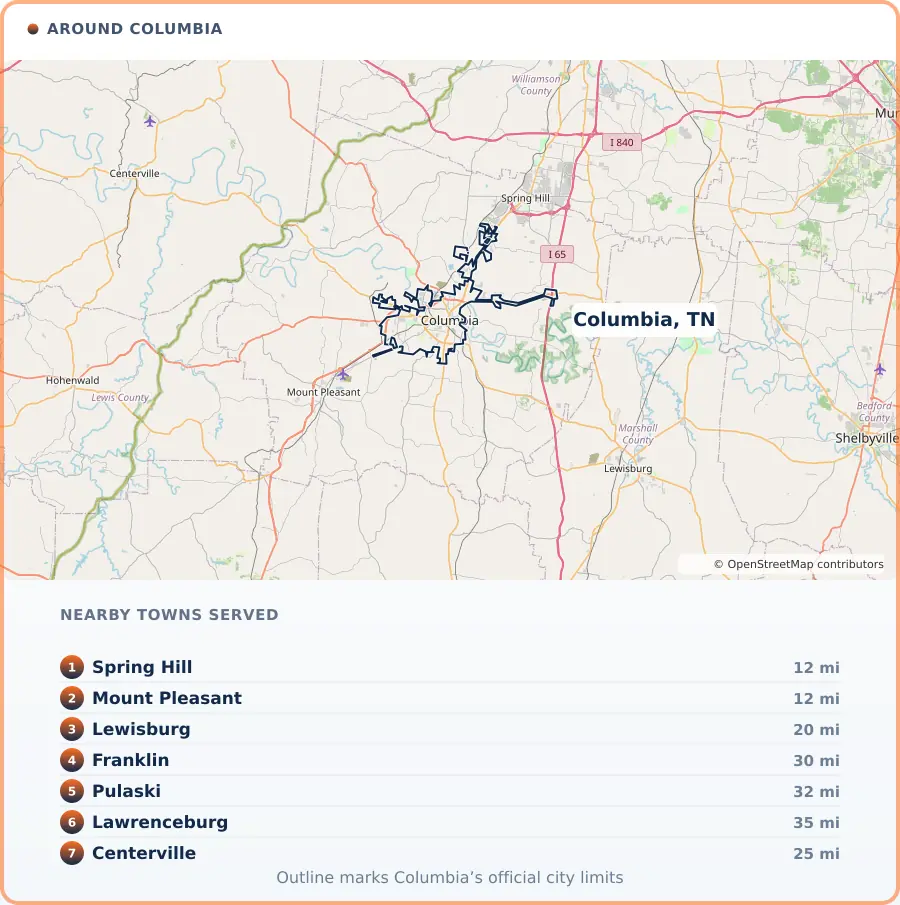
Based in Columbia, TN, with 7 nearby communities inside the service area — near enough to reach quickly, not just listed on a map.
Columbia, TN Information
Columbia serves as the seat of Maury County, a role it carries with an easy blend of small-town warmth and steady growth. Its economy draws strength from automotive manufacturing, healthcare, and agriculture, with the nearby General Motors Spring Hill plant pulling suppliers and logistics operations into the region. Maury Regional Medical Center and Columbia State Community College anchor local employment, while the historic charm of downtown Columbia and neighborhoods like the Arrow Heights Historic District show a city proud of its roots.
With around 41,690 residents, Columbia has become something of a bedroom community for the expanding Nashville metro, pairing small-town character with the conveniences of a growing region. New subdivisions continue to rise alongside long-established streets, giving the city a comfortable mix of heritage and momentum.
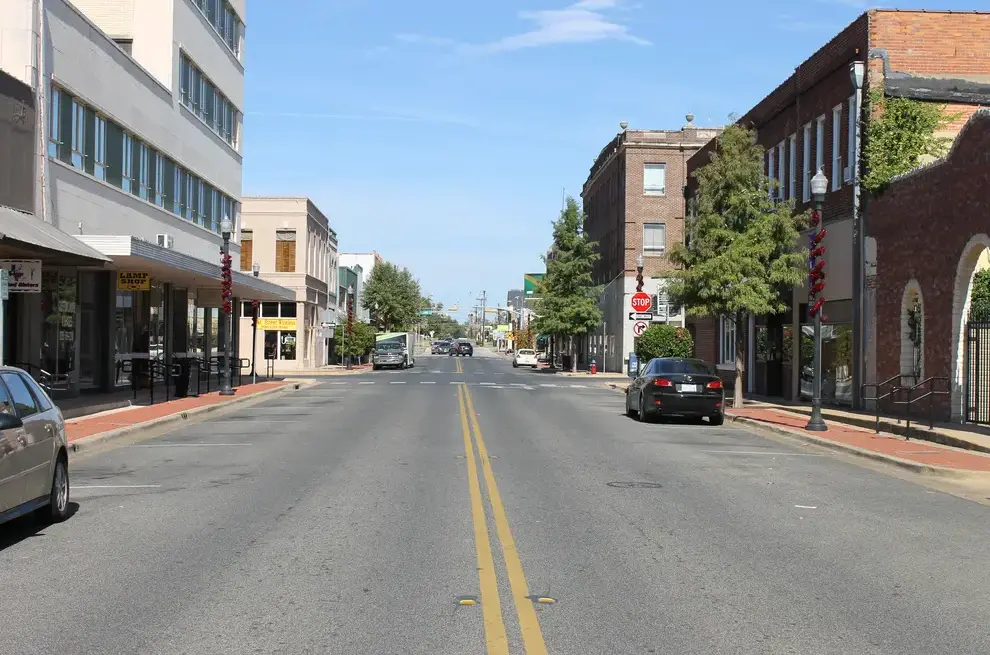
Photo: Billy Hathorn, CC BY-SA 3.0